
OERF Lab

Optical & Extreme Reaction Flow

Pioneering optical diagnostics, computational imaging, and reacting flow science for extreme environment energy and propulsion systems at Shanghai Jiao Tong University.

Research Areas

We develop and apply advanced optical and computational techniques to understand and control extreme reaction flows.

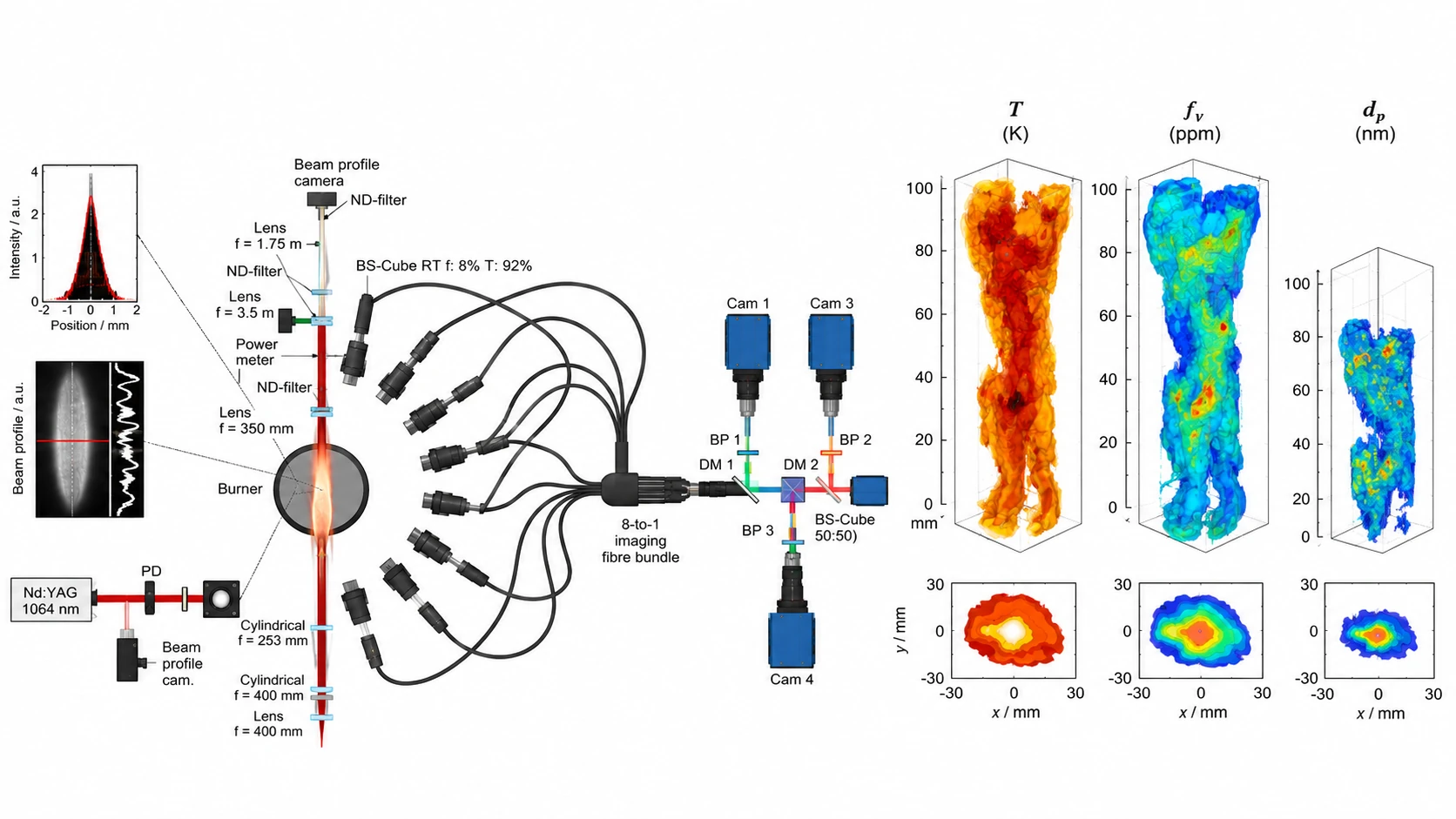
Multi-view laser-induced incandescence experiment and three-dimensional soot-flame reconstructions

Extreme Reaction Flow Diagnostics

Advanced optical and laser-based diagnostics for probing high-temperature, high-pressure reacting flows in aero-engines and hypersonic vehicles.

High-speed PLIF and volumetric emission tomographyEndoscopic tomography for transient flame 3D structureBackground-oriented schlieren for 3D refractive index fieldsIn situ measurements in extreme temperature/pressure conditions
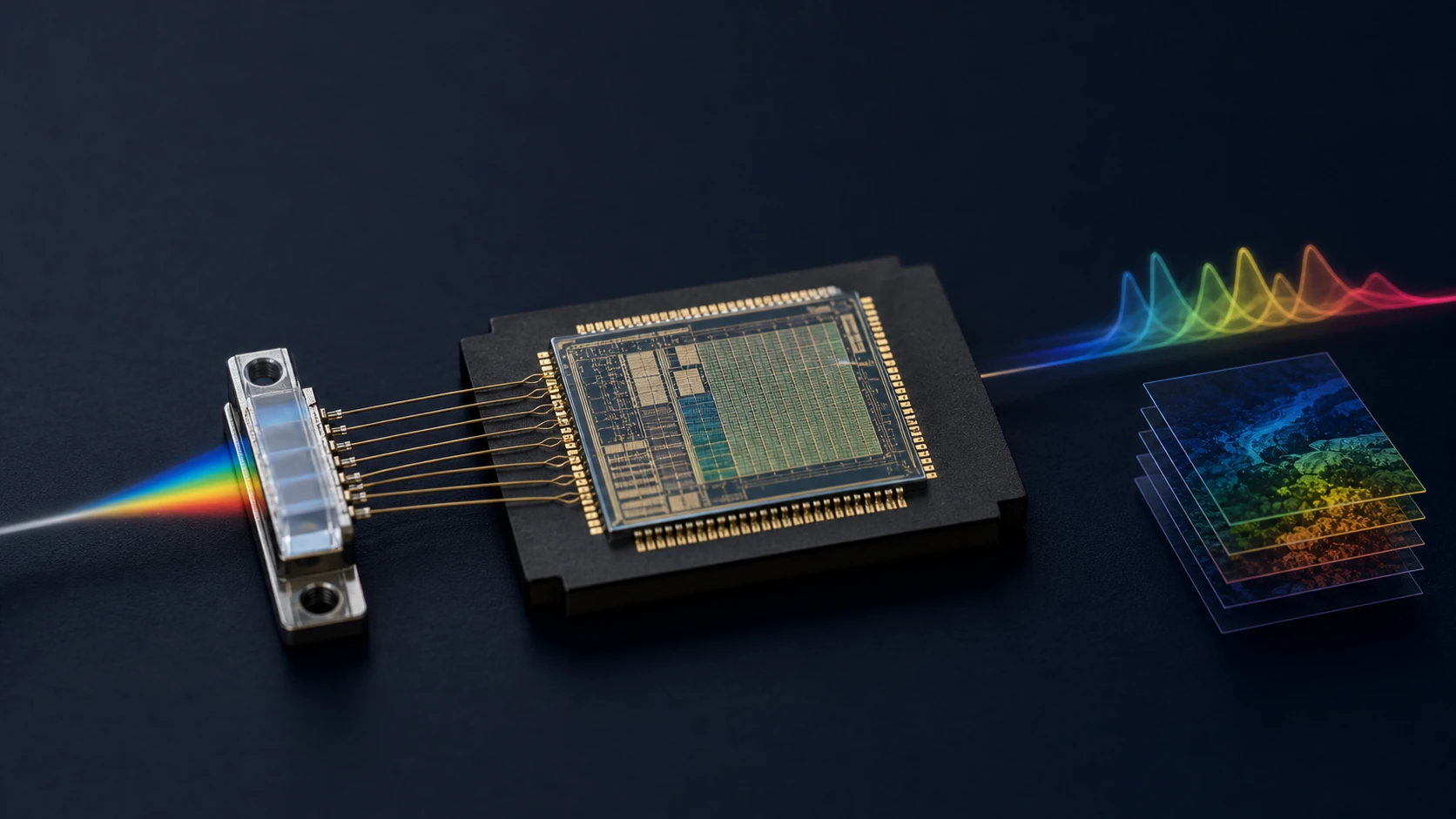
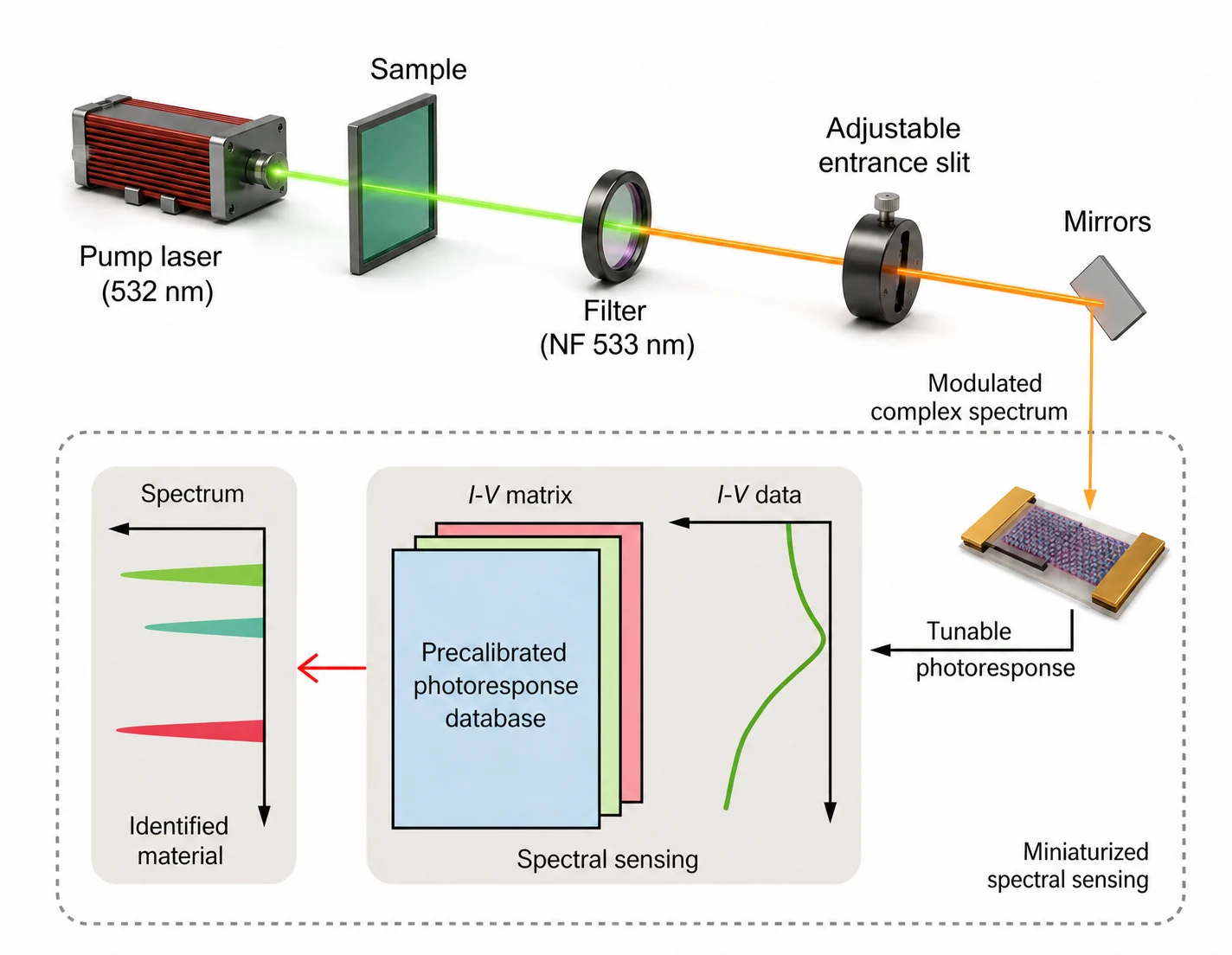
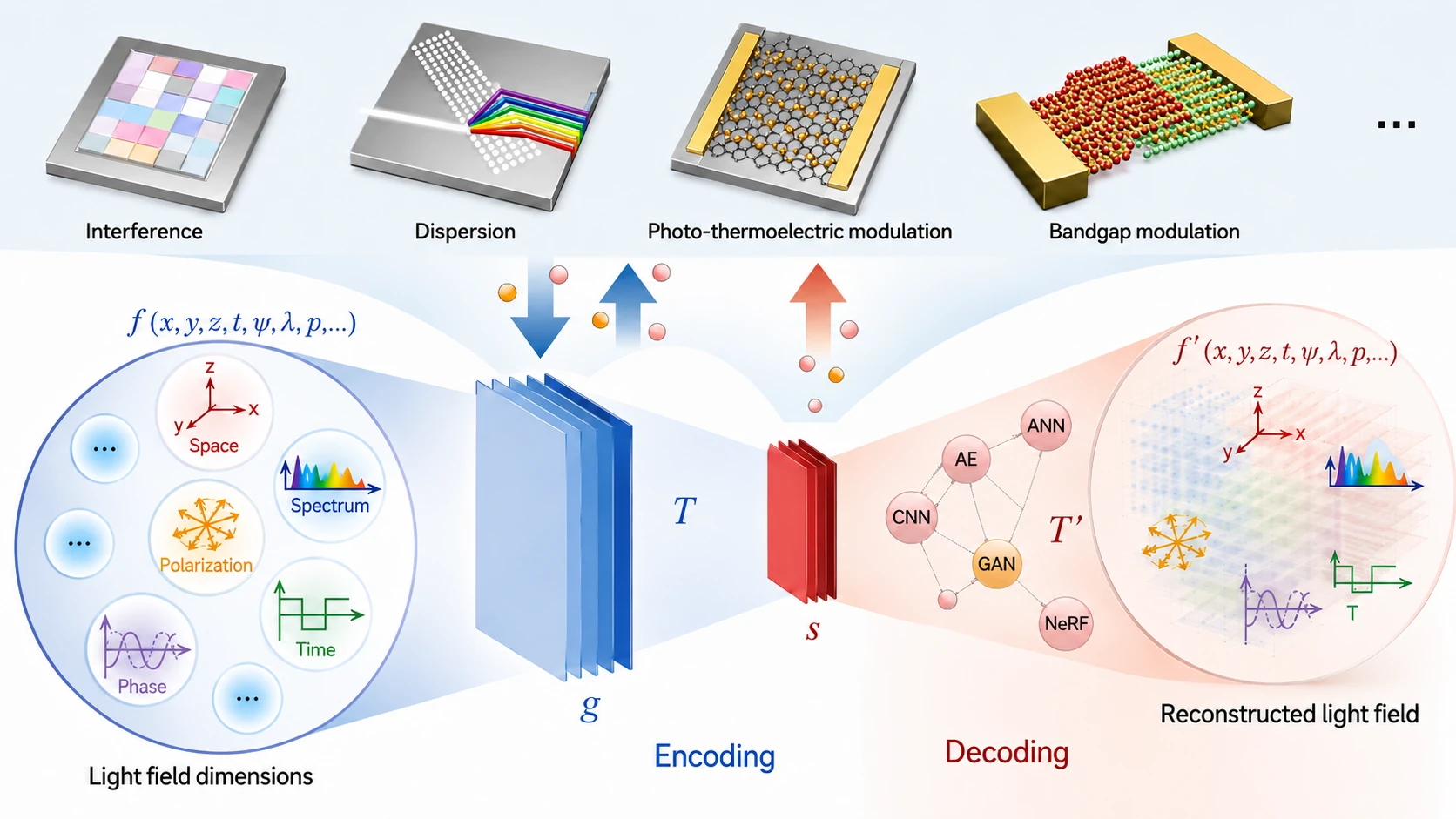
Multidimensional light-field encoding and computational reconstruction using miniature spectrometer mechanisms

Computational Imaging & Miniature Spectrometers

Light-field imaging, linear/nonlinear tomography, and miniature computational spectrometers for high-dimensional optical sensing.

Miniaturized spectrometers with tunable van der Waals junctions (Science)Light-field and holographic imaging for reactive flow diagnosticsAI-driven multidimensional light-field reconstructionHigh-speed snapshot spectral cameras
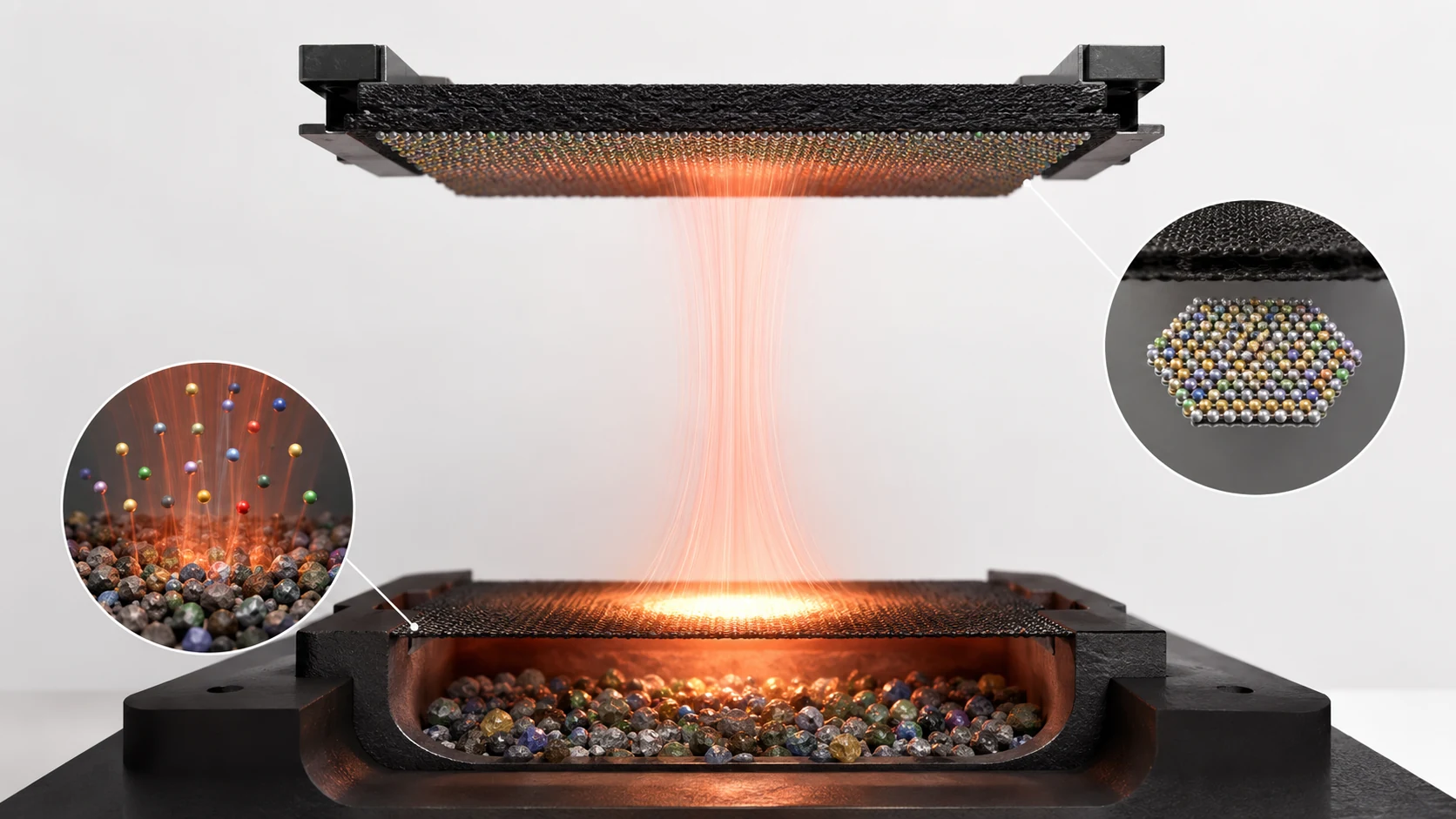
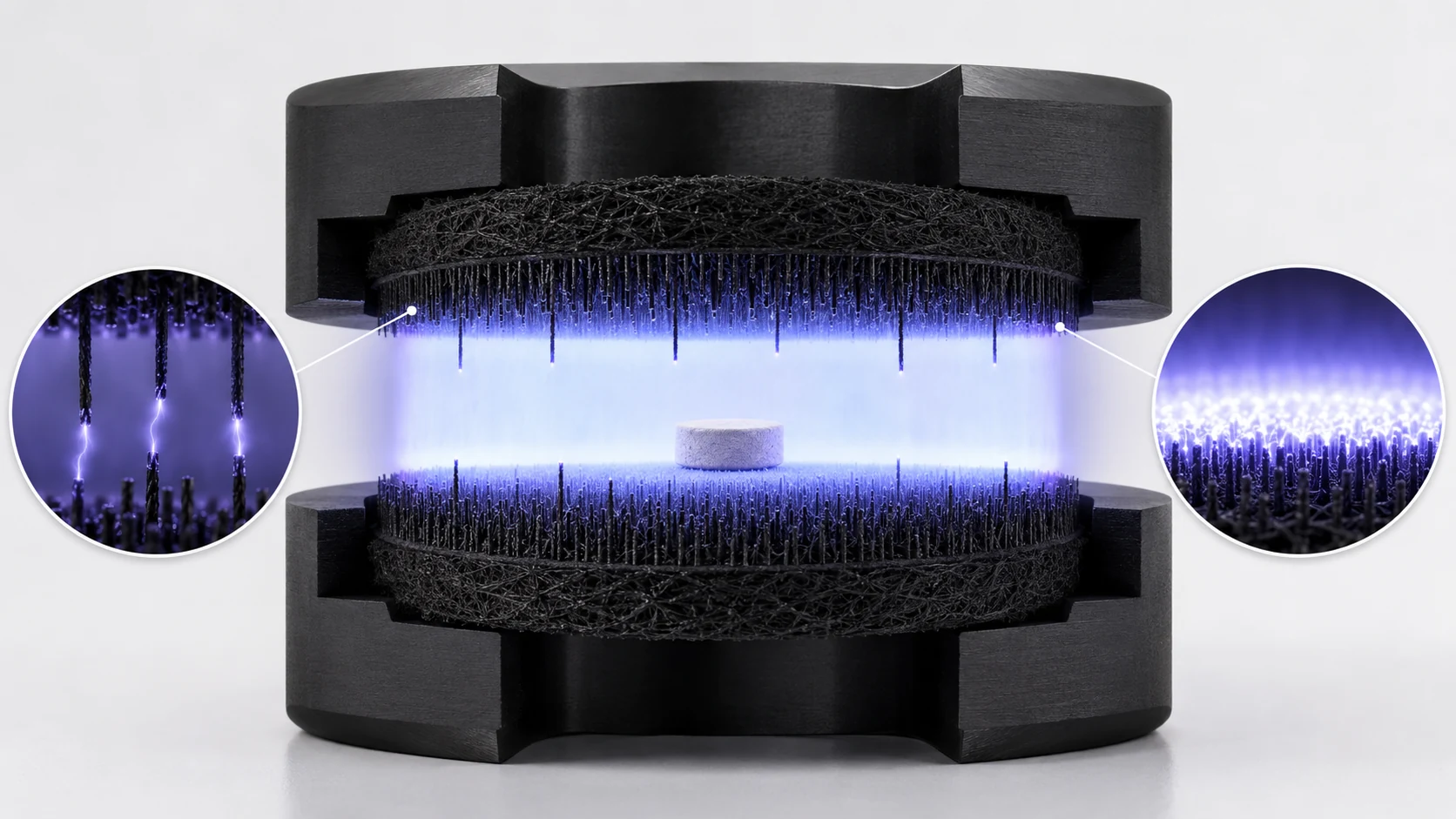
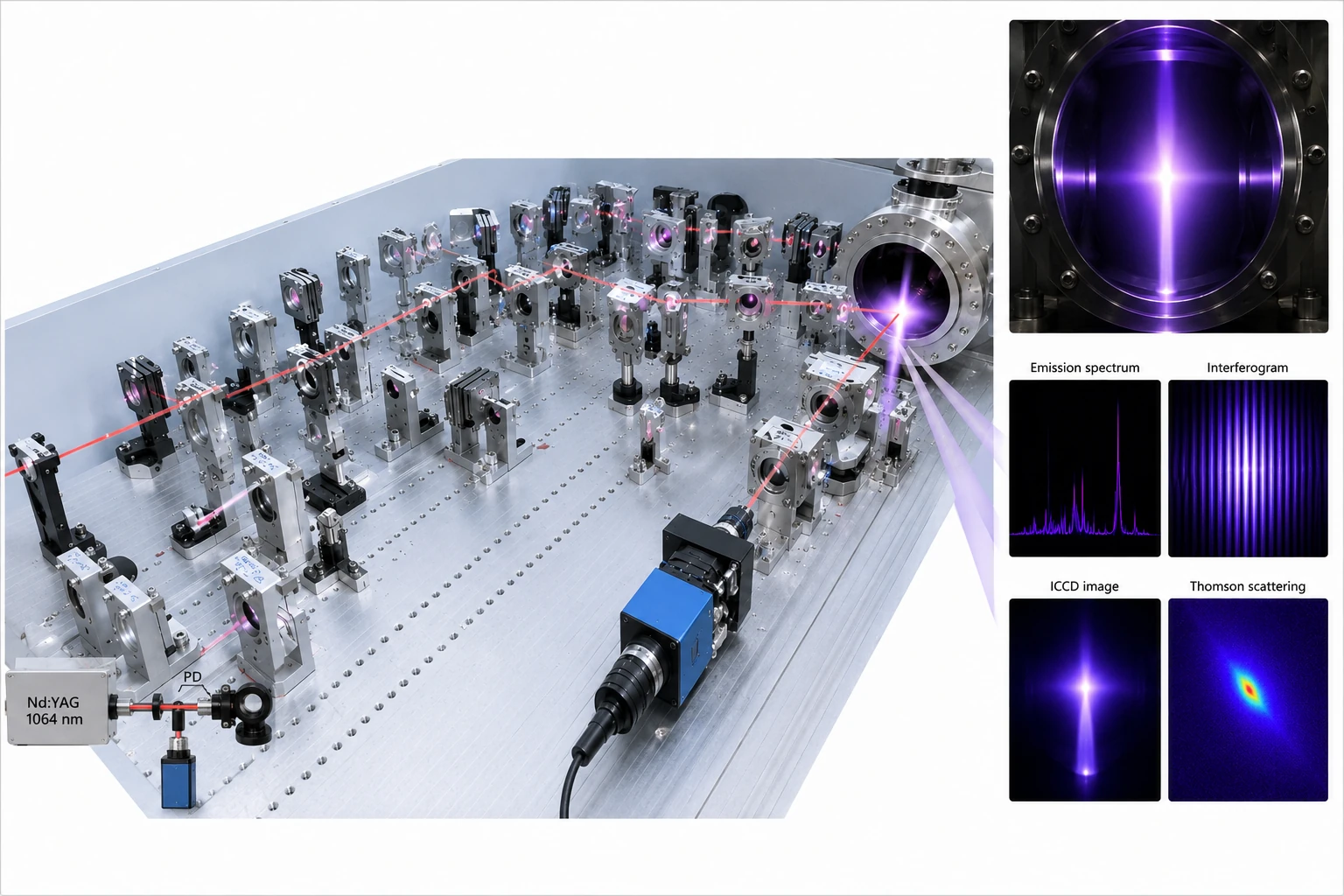
Ultrafast laser spectroscopy setup with plasma emission, interferometry and Thomson-scattering diagnostics

Ultrafast Laser Spectroscopy & Plasma Energy Conversion

Femtosecond laser spectroscopy, plasma-assisted energy conversion, and ultrahigh-temperature materials synthesis.

Stable atmospheric-pressure plasma for extreme-temperature synthesis (Nature)Electrified vapour deposition at ultrahigh temperature (Nature Synthesis Cover)Femtosecond UV laser absorption spectroscopy for temperature and OHPlasma-assisted ammonia synthesis and combustion kinetics
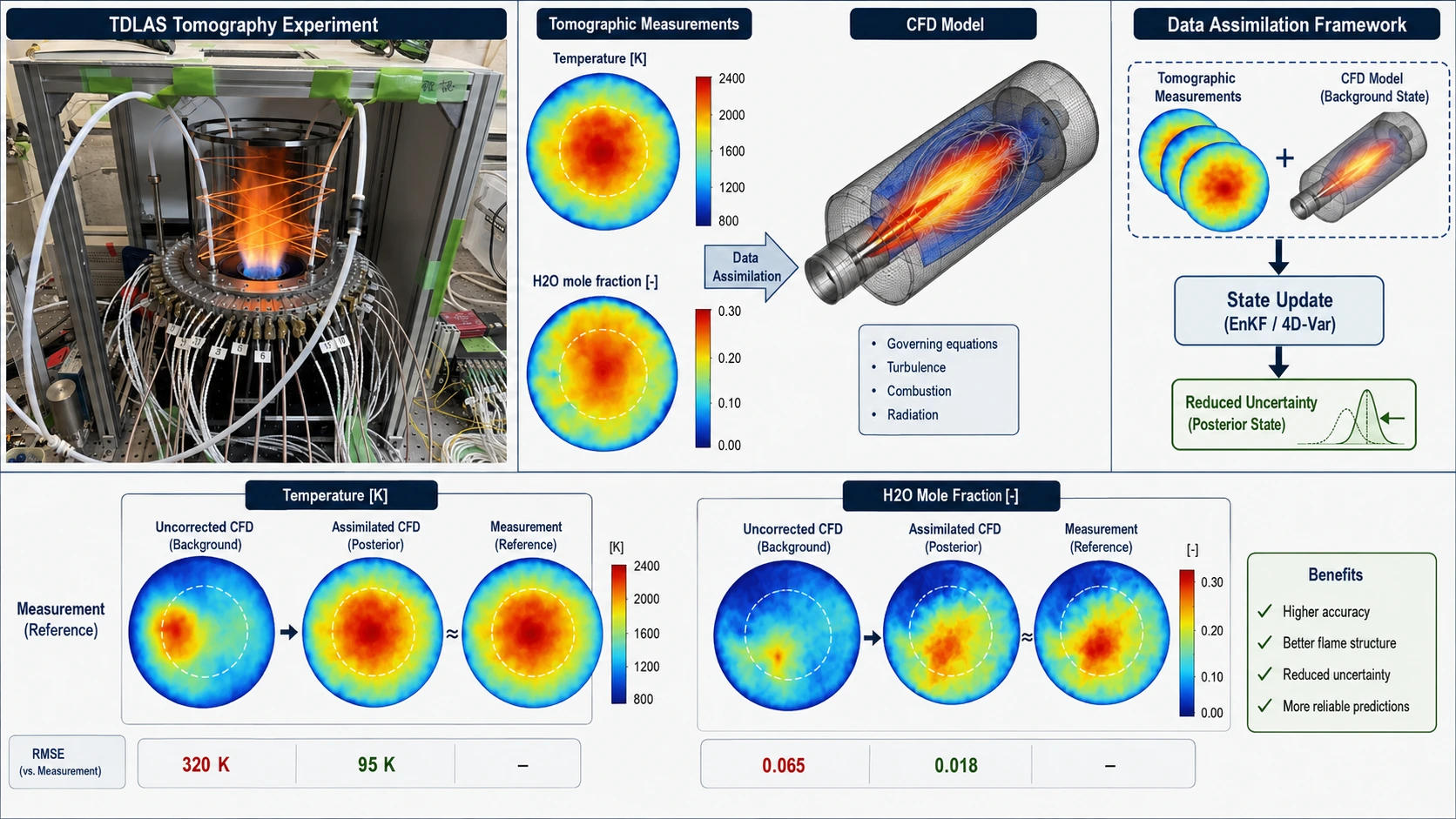
TDLAS tomography measurements assimilated into a reacting-flow CFD model to reduce prediction uncertainty

Reacting Flow Simulation & Data Assimilation

High-fidelity CFD, machine learning-augmented combustion modeling, and data assimilation for turbulent reacting flows.

High-fidelity LES of spray combustion and flash boilingMachine learning-augmented combustion simulationData assimilation for turbulent reacting flowsLow-carbon ammonia/hydrogen combustion technologies

Latest Highlights

Selected high-impact research achievements from our team.

Talks & Presentations

Selected invited talks and conference presentations that share our research with the wider community.

Background-Oriented Schlieren CT — 2026 Light Conference

Invited talk at the 2026 Light Conference on background-oriented schlieren computed tomography for 3D flow field diagnostics.

16:49

Join OERF

Start with a question. Build the answer with a rigorous and supportive team.

Open positions

Year-round opportunities for postdoctoral researchers, Ph.D. and Master's students, research assistants, and undergraduate interns. Please send a CV; a transcript is optional.

View recruitment details

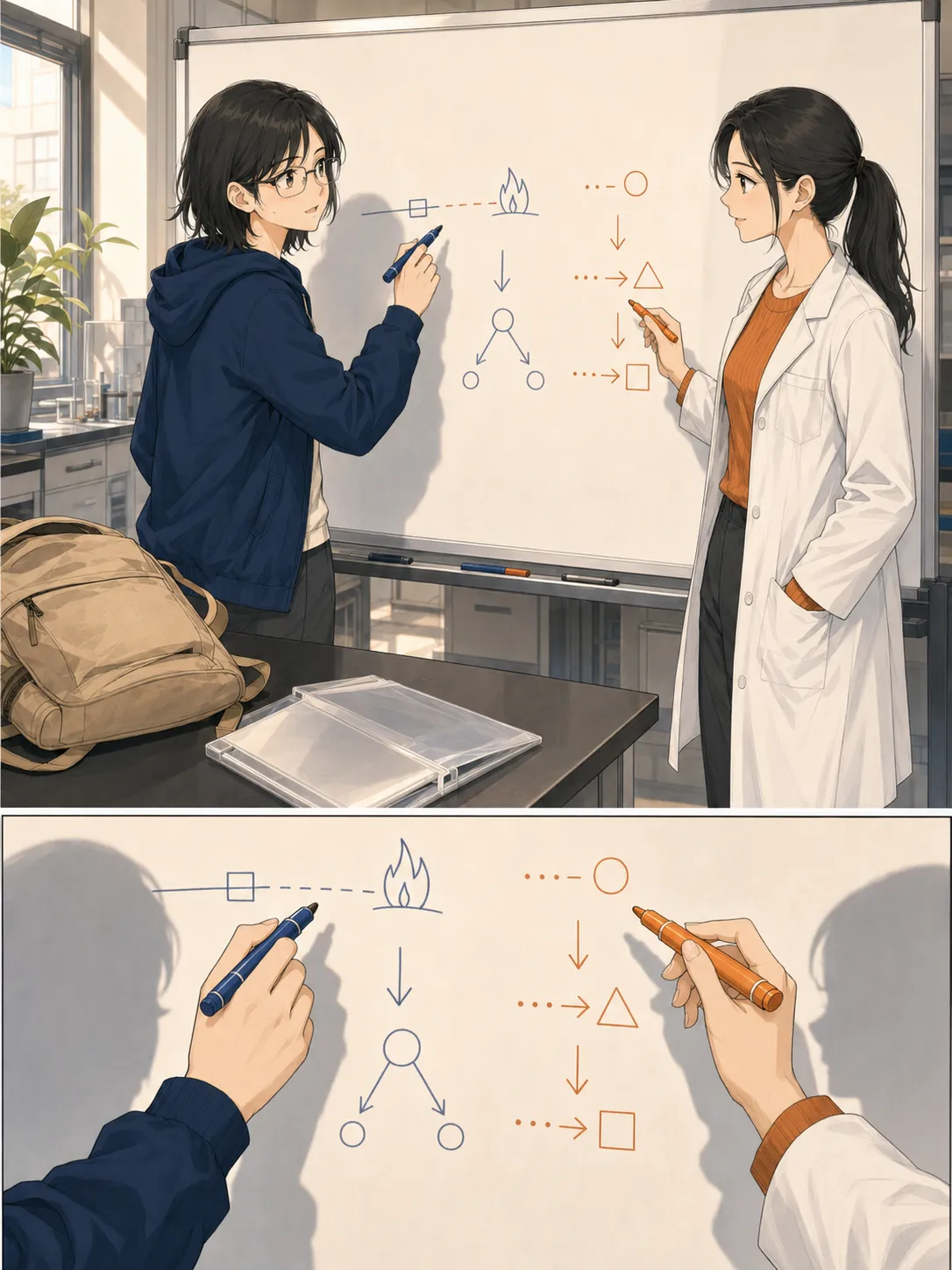
Start with a question

Prospective applicant: I haven't done experiments before.

Lab member: Neither had I in my first year. Let's break the problem down.

Two researchers at a whiteboard breaking down a problem into steps

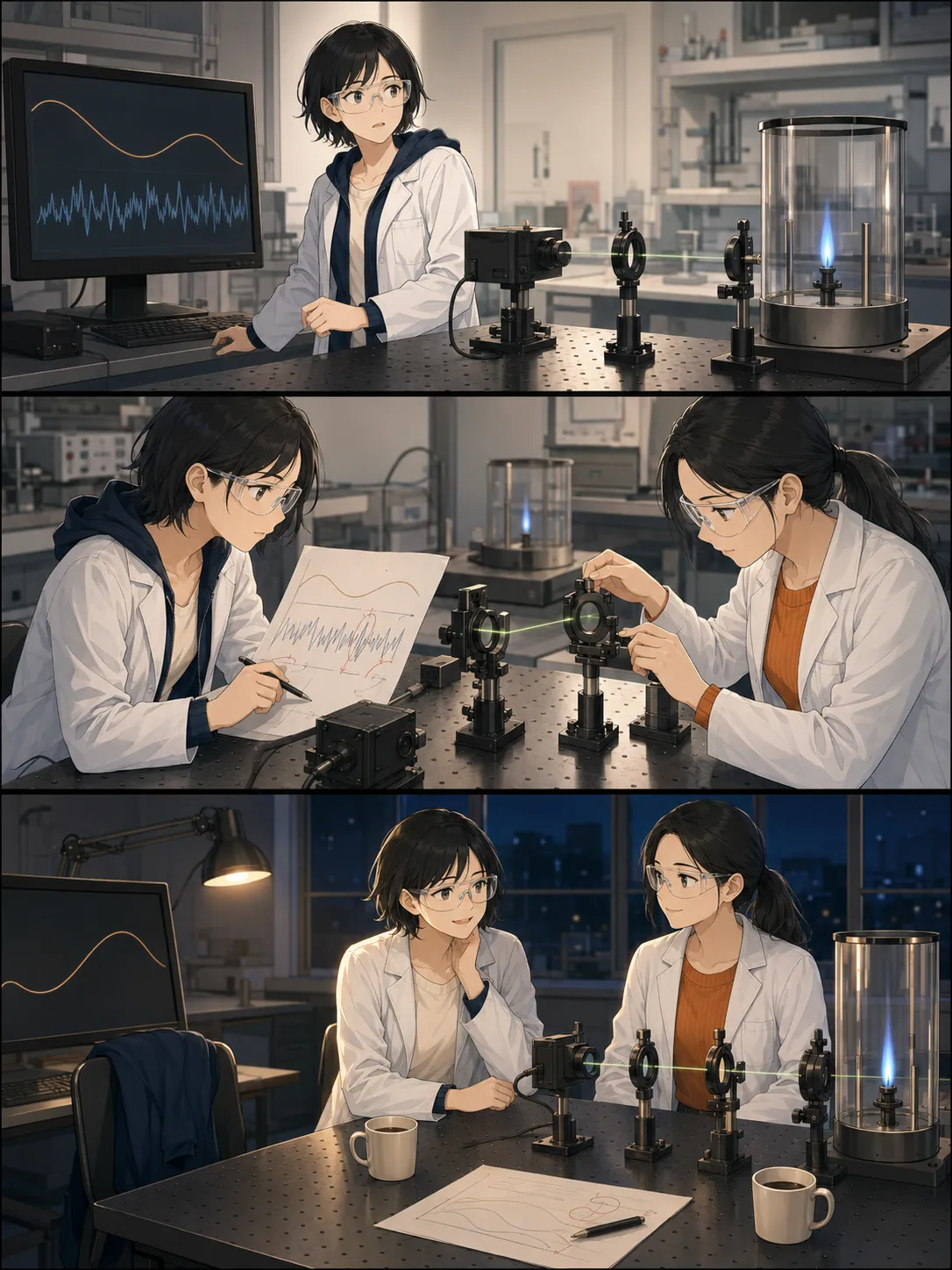
Debug it together

Prospective applicant: This signal doesn't look right.

Lab member: No rush. We'll trace it from the optical path together.

Two researchers checking the optical path and data after a signal failure, then rebuilding the setup at night

Good science, good company

Prospective applicant: The paper is accepted. Let's celebrate over dinner.

Lab member: Good research can open a much bigger world.

Researchers sharing lunch and celebrating a paper acceptance in the lab common area

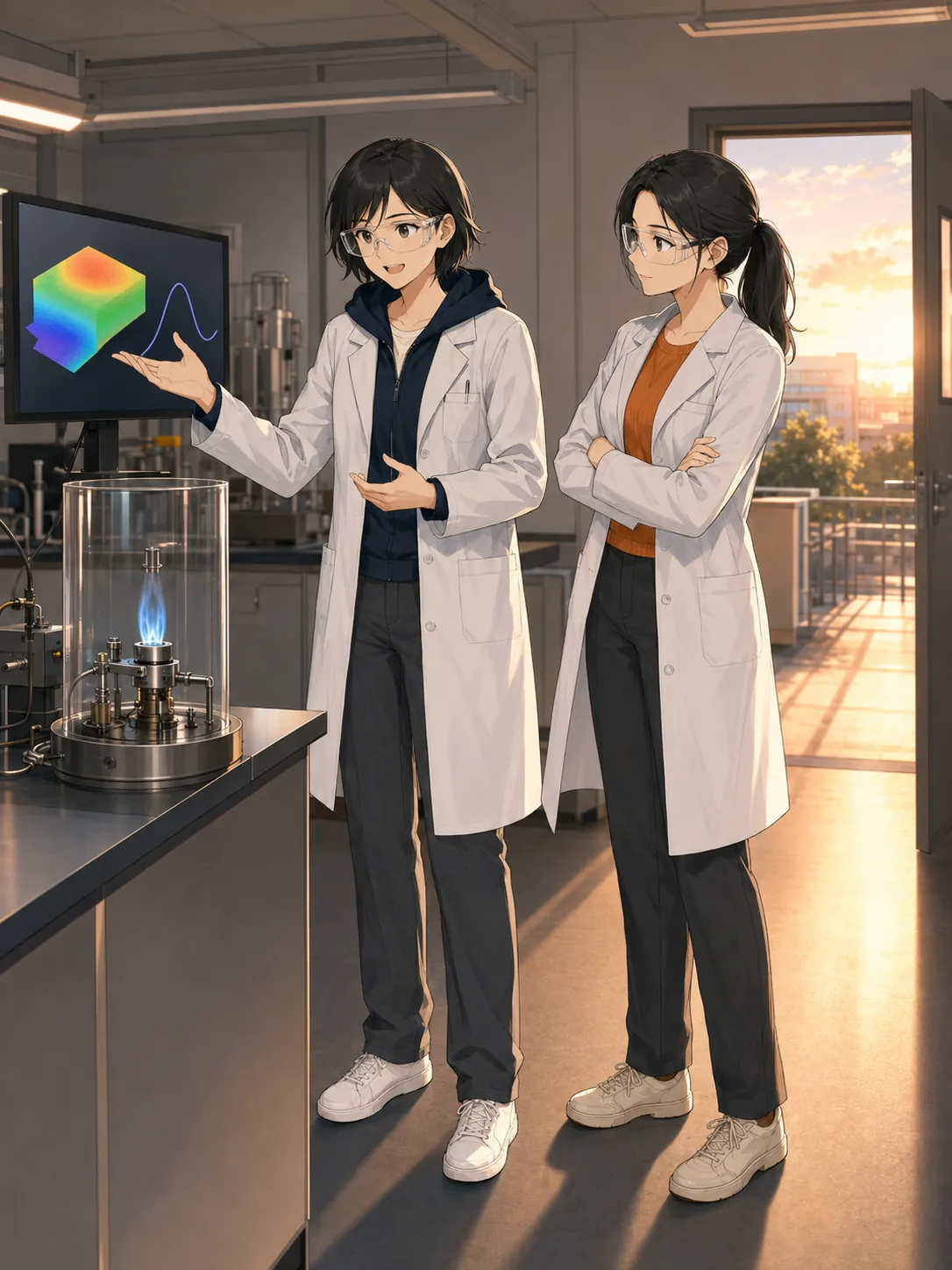
Show your results

Prospective applicant: This time, the results are clear.

Lab member: Bring your CV and tell us what problem you want to solve.

A researcher presenting clear data beside a stable blue flame and an open laboratory door

Recruitment details

Who we welcome, how we work, and how to get in touch.

Opportunities

  • Postdoctoral researchers
  • Zhiyuan Honors Ph.D., application-assessment Ph.D., and joint-training Ph.D. candidates
  • Professional, academic, and joint-training Master's students
  • Research assistants
  • Undergraduate interns

Academic backgrounds

We welcome applicants from mechanics, engineering thermophysics, mathematics, mechanical engineering, optical engineering, physics, and related science and engineering disciplines. SJTU mechanical engineering students interested in the group should contact us before the application-assessment interview.

What we value

We value imagination, execution, problem-solving, and the ability to regain momentum when things go wrong. Prior research experience is not required.

Training and development

Undergraduate interns who produce high-quality research may receive recommendation and development support for further study at institutions such as Cambridge, Oxford, Imperial College London, Harvard, and MIT. Ph.D. students may have opportunities for joint training and research collaboration with internationally renowned professors, including Nobel laureates.

How to apply

Please send a CV. A transcript may be attached if available.

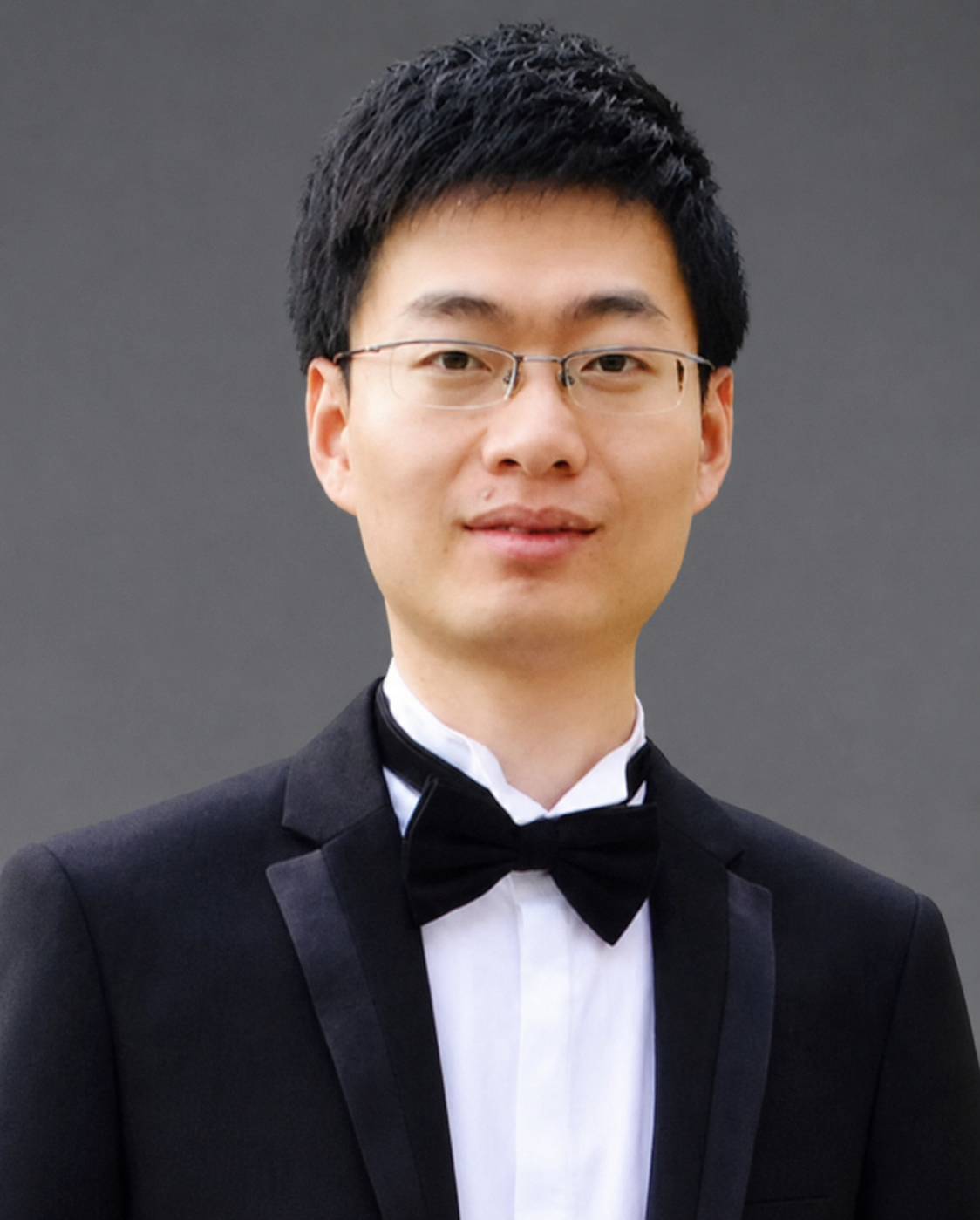
Contact the faculty

Choose the faculty member whose research direction best matches your interests.